Anyone who has moved retirement money out of an old employer’s plan knows how frustrating it can be. Every administrator has their own forms. Timelines are all over the place. Paper checks show up weeks later…
⏱ 4 min read
Anyone who has moved retirement money out of an old employer’s plan knows how frustrating it can be. Every administrator has their own forms. Timelines are all over the place. Paper checks show up weeks later with vague instructions. The whole thing should have been fixed a long time ago.
The IRS is finally doing something about it. Notice 2026-49 puts out four sample forms and a five-step procedure meant to bring some consistency to direct rollovers. Plans do not have to use them, and there is no safe harbor, but you can see where this is going.
The Problem Worth Solving
When you leave a job, you have to figure out what to do with your 401(k). You can cash it out and take the tax hit. You can leave it sitting there. Or you can roll it into a new employer’s plan or an IRA.
A direct rollover is usually the way to go. The money travels straight from the old plan to the new one without ever hitting your bank account, which keeps things clean and avoids the 60-day deadline you face if you take possession yourself.
The trouble is that every plan does things differently. A 2024 GAO study found that roughly one in three people doing rollovers ended up with a paper check in hand that they were supposed to forward themselves. Checks get lost. They sit on the counter for weeks. And the whole time, that money is not invested anywhere.
How the New System Works
Here is what Treasury is proposing. You fill out Form 1 and give it to the plan or IRA that will be receiving your money. That form lets the receiving plan reach out to your old plan and handle the transfer on your behalf. The two plans swap Forms 2 through 4 to make sure everything is in order. If something goes sideways, the receiving plan has to tell you.
The IRS wants this done electronically whenever possible. When electronic is not an option, the old plan should write a check payable to the receiving plan for your benefit and mail it directly there. No more sending checks to participants and hoping they take it from there.
Tax Rules Stay the Same
None of this changes how rollovers are taxed. Eligible distributions that complete a proper rollover still stay out of income. You still cannot roll over a required minimum distribution. Pre-tax money stays pre-tax. Roth stays Roth. This is about the plumbing, not the tax code.
IRA-to-IRA transfers are not covered here. Those already go through the ACATS electronic system, so Treasury left them alone.
No Safe Harbor Yet
Plans can use these forms, change them, or ignore them completely. Right now, there is no reward for following along.
That could change. Treasury says it is thinking about offering safe harbors down the road. A receiving plan that uses the standard forms might eventually be allowed to assume the rollover is valid unless something looks off. That would give administrators a real incentive to adopt the new process.
Conclusion and What Comes Next
The IRS has hinted at bigger changes. Future guidance might require electronic transfers across the board, kill off the practice of mailing checks to participants, and get rid of some of the procedural friction that slows things down.
For now, the sample forms are sitting in the appendix of Notice 2026-49. They are there if you want them. If you have ever spent weeks tracking down a check that went to the wrong address or trying to explain one plan’s process to another plan’s administrator, you understand what Treasury is trying to fix. They want rollovers to be faster, simpler, and harder to mess up. This is a start.
Rolling Over Your 401(k) Just Got Less Painful – Here’s What the IRS Changed
October 1, 2026 · Blog, Tax and Financial News
⏱ 4 min read
Anyone who has moved retirement money out of an old employer’s plan knows how frustrating it can be. Every administrator has their own forms. Timelines are all over the place. Paper checks show up weeks later with vague instructions. The whole thing should have been fixed a long time ago.
The IRS is finally doing something about it. Notice 2026-49 puts out four sample forms and a five-step procedure meant to bring some consistency to direct rollovers. Plans do not have to use them, and there is no safe harbor, but you can see where this is going.
The Problem Worth Solving
When you leave a job, you have to figure out what to do with your 401(k). You can cash it out and take the tax hit. You can leave it sitting there. Or you can roll it into a new employer’s plan or an IRA.
A direct rollover is usually the way to go. The money travels straight from the old plan to the new one without ever hitting your bank account, which keeps things clean and avoids the 60-day deadline you face if you take possession yourself.
The trouble is that every plan does things differently. A 2024 GAO study found that roughly one in three people doing rollovers ended up with a paper check in hand that they were supposed to forward themselves. Checks get lost. They sit on the counter for weeks. And the whole time, that money is not invested anywhere.
How the New System Works
Here is what Treasury is proposing. You fill out Form 1 and give it to the plan or IRA that will be receiving your money. That form lets the receiving plan reach out to your old plan and handle the transfer on your behalf. The two plans swap Forms 2 through 4 to make sure everything is in order. If something goes sideways, the receiving plan has to tell you.
The IRS wants this done electronically whenever possible. When electronic is not an option, the old plan should write a check payable to the receiving plan for your benefit and mail it directly there. No more sending checks to participants and hoping they take it from there.
Tax Rules Stay the Same
None of this changes how rollovers are taxed. Eligible distributions that complete a proper rollover still stay out of income. You still cannot roll over a required minimum distribution. Pre-tax money stays pre-tax. Roth stays Roth. This is about the plumbing, not the tax code.
IRA-to-IRA transfers are not covered here. Those already go through the ACATS electronic system, so Treasury left them alone.
No Safe Harbor Yet
Plans can use these forms, change them, or ignore them completely. Right now, there is no reward for following along.
That could change. Treasury says it is thinking about offering safe harbors down the road. A receiving plan that uses the standard forms might eventually be allowed to assume the rollover is valid unless something looks off. That would give administrators a real incentive to adopt the new process.
Conclusion and What Comes Next
The IRS has hinted at bigger changes. Future guidance might require electronic transfers across the board, kill off the practice of mailing checks to participants, and get rid of some of the procedural friction that slows things down.
For now, the sample forms are sitting in the appendix of Notice 2026-49. They are there if you want them. If you have ever spent weeks tracking down a check that went to the wrong address or trying to explain one plan’s process to another plan’s administrator, you understand what Treasury is trying to fix. They want rollovers to be faster, simpler, and harder to mess up. This is a start.
Disclaimer
These articles provide general information on tax, accounting, and financial topics for small businesses and individuals. They are educational in nature and are not specific legal, accounting, financial, tax, or other professional advice, and should not be relied upon as such. This content was prepared by Service2Client and may have been reviewed or edited by the website owner for accuracy and compliance. Look for a trust mark below for verification details. No representation is made that any approach described will achieve a particular result, and no regulatory or professional body has reviewed or endorsed this content. Because each situation is different, readers should consult a qualified professional about their specific circumstances before acting. Images accompanying these articles are protected by copyright and may not be copied or reused.
According to FitchRatings, over the past 12 months ending August 2026, there were 109 defaults by 89 entities, compared to the same period ending July 2026 where 83 entities saw 105 defaults. With businesses (especially life insurers) exposed to asset…
⏱ 3 min read
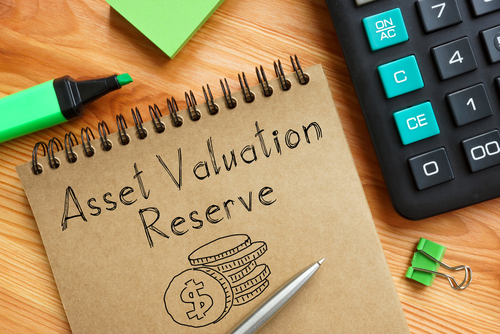
According to Fitch Ratings, over the past 12 months ending August 2026, there were 109 defaults by 89 entities, compared to the same period ending July 2026, when 83 entities saw 105 defaults. With businesses (especially life insurers) exposed to asset management risks, it’s important to understand how to find financial balance.
Defining Asset Valuation Reserve (AVR)
An AVR is a repository for life insurance companies to offset a drop in markets and/or asset portfolios that are meant to fulfill contractual obligations for claims, annuities, and related insurance obligations.
According to the American Council of Life Insurers and the National Association of Insurance Commissioners (NAIC), the AVR factors in every realized investment profit and loss after factoring in net deferred taxes for credit and equity investments. Companies are required to fund the AVR initially and adjust it annually to manage ongoing and future obligations.
As part of the agreement that insurance companies have to pay out an insurance claim in exchange for receiving premiums, an insurance company has to ensure they are financially solvent to keep paying out claims. The same requirement also pertains to annuities that an insurance company contracts with customers, including making periodic payments. Through the valuation reserve requirements, insurance companies can measure their reserves and investments to increase the chance they’ll be able to meet their financial obligations regularly.
Depending on the interest rate environment, insurance companies can experience threats to their allocated reserves to continue annuity payments over time compared to life benefits paid out all at once. Based on the American Council of Life Insurers, the percentage in reserves for annuities increased to 23 percent in 1990, up from 8 percent in 1980, showing how insurers must keep up with client demands and manage risk.
How it’s Constructed
An AVR creates an organized set of entries for the assets and liabilities. Insurance companies are also able to compare assets and liabilities against actuarial valuation standards to plan for projected unknown, unsettled asset shortfalls. It also helps companies monitor the appropriate detection of long-term anticipated stock investment proceeds. For publicly traded insurance companies, it provides greater transparency for equity and bond holders, along with regulators.
The default component accounts for four-fifths of the AVR. Insurance companies implement investment vehicles such as mortgages and fixed-income options to manage their credit risk. As the name implies, the equity piece of the AVR balances the reserve with preferred and common equities or stocks, along with real estate investments. This mix is required for insurance companies because it creates a buffer from gains realized from positive market years, which offset insurance company obligations during periods of negative market performance.
Building the AVR is unique to each company’s financial makeup and needs to be dynamic, but must follow industry standards. While insurers or any market participant cannot predict the market with 100 percent accuracy, insurers with a properly constructed and reported AVR can more easily navigate an economy that becomes turbulent and uncertain.
According to Fitch Ratings, over the past 12 months ending August 2026, there were 109 defaults by 89 entities, compared to the same period ending July 2026, when 83 entities saw 105 defaults. With businesses (especially life insurers) exposed to asset management risks, it’s important to understand how to find financial balance.
Defining Asset Valuation Reserve (AVR)
An AVR is a repository for life insurance companies to offset a drop in markets and/or asset portfolios that are meant to fulfill contractual obligations for claims, annuities, and related insurance obligations.
According to the American Council of Life Insurers and the National Association of Insurance Commissioners (NAIC), the AVR factors in every realized investment profit and loss after factoring in net deferred taxes for credit and equity investments. Companies are required to fund the AVR initially and adjust it annually to manage ongoing and future obligations.
As part of the agreement that insurance companies have to pay out an insurance claim in exchange for receiving premiums, an insurance company has to ensure they are financially solvent to keep paying out claims. The same requirement also pertains to annuities that an insurance company contracts with customers, including making periodic payments. Through the valuation reserve requirements, insurance companies can measure their reserves and investments to increase the chance they’ll be able to meet their financial obligations regularly.
Depending on the interest rate environment, insurance companies can experience threats to their allocated reserves to continue annuity payments over time compared to life benefits paid out all at once. Based on the American Council of Life Insurers, the percentage in reserves for annuities increased to 23 percent in 1990, up from 8 percent in 1980, showing how insurers must keep up with client demands and manage risk.
How it’s Constructed
An AVR creates an organized set of entries for the assets and liabilities. Insurance companies are also able to compare assets and liabilities against actuarial valuation standards to plan for projected unknown, unsettled asset shortfalls. It also helps companies monitor the appropriate detection of long-term anticipated stock investment proceeds. For publicly traded insurance companies, it provides greater transparency for equity and bond holders, along with regulators.
The default component accounts for four-fifths of the AVR. Insurance companies implement investment vehicles such as mortgages and fixed-income options to manage their credit risk. As the name implies, the equity piece of the AVR balances the reserve with preferred and common equities or stocks, along with real estate investments. This mix is required for insurance companies because it creates a buffer from gains realized from positive market years, which offset insurance company obligations during periods of negative market performance.
Building the AVR is unique to each company’s financial makeup and needs to be dynamic, but must follow industry standards. While insurers or any market participant cannot predict the market with 100 percent accuracy, insurers with a properly constructed and reported AVR can more easily navigate an economy that becomes turbulent and uncertain.
These articles provide general information on tax, accounting, and financial topics for small businesses and individuals. They are educational in nature and are not specific legal, accounting, financial, tax, or other professional advice, and should not be relied upon as such. This content was prepared by Service2Client and may have been reviewed or edited by the website owner for accuracy and compliance. Look for a trust mark below for verification details. No representation is made that any approach described will achieve a particular result, and no regulatory or professional body has reviewed or endorsed this content. Because each situation is different, readers should consult a qualified professional about their specific circumstances before acting. Images accompanying these articles are protected by copyright and may not be copied or reused.
Temps are dropping, the leaves are turning and you know what that means: Fall is here, which is the best time to prepare your house for the chill that follows. But we all know that keeping warm takes energy and, yes, is costly. Here are…
⏱ 3 min read
Temps are dropping, the leaves are turning, and you know what that means: Fall is here, which is the best time to prepare your house for the chill that follows. But we all know that keeping warm takes energy and, yes, is costly. Here are a few easy ways to conserve.
Fix stuff around your house. These are simple and might require a little elbow grease on your part, but they’re well worth it because they help your house stay warmer, eliminate drafts, and help your heater work more efficiently.
Seal gaps around your windows and doors with caulk or weatherstripping.
Close fireplace dampers when you’re not using them.
Replace HVAC filters. For your furnace, this should be done one to three months before cold weather hits. It helps improve air quality (and air flow) inside your home.
Add door sweeps to exterior doors.
Reverse your ceiling fans; set them to clockwise and put them on a low setting to push the warm air down into the room.
Hang thick(er) curtains so heat doesn’t seep out.
Make sure vents and returns aren’t blocked by furniture or rugs.
Check your heating system. Before the Arctic blast arrives, these tasks are key:
Schedule an HVAC inspection – aka a tune-up.
Install a programmable or smart thermostat.
Lower your thermostat by 7-10 degrees when you’re away.
Look at your insulation. These chores might require you to hire someone.
Add attic insulation if your house is under-insulated so you can reduce your heating costs and keep your house toasty. (In fact, poor insulation is one of the biggest sources of energy loss.)
Insulate pipes that are exposed, as well as your water heater.
Seal and insulate all your ductwork in your attic, garage, and crawl spaces.
Inspect your water heater. Making sure you have warm water in the cooler months is critical. You’ll be quite happy not having to take cold showers, as well as not expending as much energy.
Lower your water heater temperature to 120°F.
Install low-flow showerheads.
Fix dripping faucets immediately.
Examine the exterior of your house. Even the outside of your home needs attention.
Clean gutters and downspouts to prevent ice dams, moisture problems, and foundation issues.
Trim branches that could block winter sunlight from south-facing windows.
Check for cracks where utilities enter the house and seal them.
Check your roof, too, for signs of wear or damage.
Test your heating system early. Put this on your calendar! Don’t wait until it’s a tundra outside to turn on your furnace or heat pump.
If you need repairs, schedule maintenance before HVAC companies get all booked up.
Check your smoke and carbon monoxide detectors. Don’t leave this unattended!
Replace batteries if needed and test them all. You want to make sure your family’s safe during the upcoming heating season.
Even though fall is upon us, know this: Winter is coming, as the show famously claims. You can never be too prepared!
How to Save Energy This Fall
October 1, 2026 · Blog, Tip of the Month
⏱ 3 min read
Temps are dropping, the leaves are turning, and you know what that means: Fall is here, which is the best time to prepare your house for the chill that follows. But we all know that keeping warm takes energy and, yes, is costly. Here are a few easy ways to conserve.
Fix stuff around your house. These are simple and might require a little elbow grease on your part, but they’re well worth it because they help your house stay warmer, eliminate drafts, and help your heater work more efficiently.
Seal gaps around your windows and doors with caulk or weatherstripping.
Close fireplace dampers when you’re not using them.
Replace HVAC filters. For your furnace, this should be done one to three months before cold weather hits. It helps improve air quality (and air flow) inside your home.
Add door sweeps to exterior doors.
Reverse your ceiling fans; set them to clockwise and put them on a low setting to push the warm air down into the room.
Hang thick(er) curtains so heat doesn’t seep out.
Make sure vents and returns aren’t blocked by furniture or rugs.
Check your heating system. Before the Arctic blast arrives, these tasks are key:
Schedule an HVAC inspection – aka a tune-up.
Install a programmable or smart thermostat.
Lower your thermostat by 7-10 degrees when you’re away.
Look at your insulation. These chores might require you to hire someone.
Add attic insulation if your house is under-insulated so you can reduce your heating costs and keep your house toasty. (In fact, poor insulation is one of the biggest sources of energy loss.)
Insulate pipes that are exposed, as well as your water heater.
Seal and insulate all your ductwork in your attic, garage, and crawl spaces.
Inspect your water heater. Making sure you have warm water in the cooler months is critical. You’ll be quite happy not having to take cold showers, as well as not expending as much energy.
Lower your water heater temperature to 120°F.
Install low-flow showerheads.
Fix dripping faucets immediately.
Examine the exterior of your house. Even the outside of your home needs attention.
Clean gutters and downspouts to prevent ice dams, moisture problems, and foundation issues.
Trim branches that could block winter sunlight from south-facing windows.
Check for cracks where utilities enter the house and seal them.
Check your roof, too, for signs of wear or damage.
Test your heating system early. Put this on your calendar! Don’t wait until it’s a tundra outside to turn on your furnace or heat pump.
If you need repairs, schedule maintenance before HVAC companies get all booked up.
Check your smoke and carbon monoxide detectors. Don’t leave this unattended!
Replace batteries if needed and test them all. You want to make sure your family’s safe during the upcoming heating season.
Even though fall is upon us, know this: Winter is coming, as the show famously claims. You can never be too prepared!
Disclaimer
These articles provide general information on tax, accounting, and financial topics for small businesses and individuals. They are educational in nature and are not specific legal, accounting, financial, tax, or other professional advice, and should not be relied upon as such. This content was prepared by Service2Client and may have been reviewed or edited by the website owner for accuracy and compliance. Look for a trust mark below for verification details. No representation is made that any approach described will achieve a particular result, and no regulatory or professional body has reviewed or endorsed this content. Because each situation is different, readers should consult a qualified professional about their specific circumstances before acting. Images accompanying these articles are protected by copyright and may not be copied or reused.
For years, corporate fraud was limited by the costs, expertise and resources required to carry out a convincing deception. Artificial intelligence (AI) has changed this…
⏱ 4 min read
For years, corporate fraud was limited by the costs, expertise, and resources required to carry out a convincing deception. Artificial intelligence (AI) has changed this.
Today, AI can create realistic voices, videos, emails, invoices, identities, and customer interactions at a scale and speed that traditional fraud controls were never designed to address. AI-powered fraud is a governance, financial, and strategic risk – not just an IT problem.
The Evolution of Corporate Fraud
Fraud is no longer limited to static phishing emails. Threat actors, from organized criminal syndicates to rogue insiders, use large language models and advanced machine learning to execute complex, multilayered fraud schemes.
One of the most cited reference cases is the 2024 Arup incident. A finance employee at the engineering firm’s Hong Kong office was tricked into transferring about $25 million across multiple transactions after joining a video conference call with deepfake replicas of the company’s CFO and other colleagues. The fraud succeeded because it targeted the human authorization step, the exact step where financial controls assume identity can be trusted on sight and sound.
Beyond deepfake executives, new trends include synthetic vendor creation, where generative models fabricate entire corporate entities. Each comes complete with tax IDs, websites, regulatory filings, and executive profiles. They are used to infiltrate accounts payable systems. Bad actors also use machine learning to reverse-engineer enterprise anti-fraud algorithms, find blind spots, and execute micro-transactions that stay beneath detection thresholds.
Why the Numbers Should Worry Boards, Not Just Security Teams
The 2026 INTERPOL Global Financial Fraud Threat Assessment flagged AI-powered fraud as one of organized crime’s primary growth sectors. It reports that fraud alerts have risen 54 percent since 2024, with more than 1,500 cross-border cases involving $1.1 billion in lost assets.
The Regulatory Gap Executives Should Worry About
Regulation is accelerating, but it is not solving the fraud problem. The EU AI Act’s transparency provisions took effect Aug. 2. It requires the disclosure of AI-generated content, with penalties for noncompliance. As of July 2026, 48 states in the United States have enacted at least one deepfake-related law, according to Ballotpedia’s tracker. Yet none of these frameworks is really built for enterprise fraud. They target content moderation, disclosure, and non-consensual media. None directly addresses the authorization workflows attackers actually exploit. A company that is fully compliant with deepfake laws would still be exposed by the Arup scenario.
Regulators such as the Federal Trade Commission (FTC) have signaled that using AI to deceive is prosecutable under existing fraud statutes, but enforcement is reactive and case-by-case. Executives who treat fraud as just a criminal act rather than a governance failure arising from inadequate technical oversight face severe personal and corporate liability.
Strategic Challenges and Recommended Actions
Defending against AI-powered fraud requires rethinking how security spending is justified. Traditional ROI models rely on historical loss avoidance, but in the age of generative fraud, past losses are an unreliable predictor of future exposure.
The primary implementation challenge is friction versus security. Deploying stronger authentication and behavior monitoring across corporate touchpoints creates friction that employees and vendors resist. In addition, integrating AI defenses into legacy enterprise resource planning (ERP) systems creates technical debt. Organizations also struggle with data silos, even though fraud detection now requires real-time visibility across all departments.
To protect enterprise value, leadership teams should move from passive compliance to active resilience.
Verify out of band. Require a callback to a known number and dual approval for large or unusual transfers. Never authorize a payment on a voice or video request alone.
Strengthen authentication. Use multifactor cryptographic verification and zero-trust principles (verify every request, regardless of source). Treat biometrics with caution, since deepfakes can spoof them.
Red-team for AI fraud. Have ethical hackers use generative AI to stress test internal systems and give the risk committee ownership of the results.
Use AI to fight AI. Deploy monitoring tools that flag behavioral anomalies across internal communications, ledger entries, and vendor registries in real time.
Establish cross-functional fraud task forces. Break down departmental silos and treat fraud detection as an integrated business process.
Future Outlook
As AI advances, the convergence of generative AI and autonomous software agents suggest that corporate fraud may increasingly be automated, including by self-directed AI agents operating as fraud syndicates. Business leaders must recognize that the future of corporate defense relies not on human vigilance alone, but on building resilient, self-healing digital ecosystems where trust is algorithmically verified and continuously audited.
AI-Powered Corporate Fraud: What Business Leaders Need to Know
October 1, 2026 · Blog, What's New in Technology
⏱ 4 min read
For years, corporate fraud was limited by the costs, expertise, and resources required to carry out a convincing deception. Artificial intelligence (AI) has changed this.
Today, AI can create realistic voices, videos, emails, invoices, identities, and customer interactions at a scale and speed that traditional fraud controls were never designed to address. AI-powered fraud is a governance, financial, and strategic risk – not just an IT problem.
The Evolution of Corporate Fraud
Fraud is no longer limited to static phishing emails. Threat actors, from organized criminal syndicates to rogue insiders, use large language models and advanced machine learning to execute complex, multilayered fraud schemes.
One of the most cited reference cases is the 2024 Arup incident. A finance employee at the engineering firm’s Hong Kong office was tricked into transferring about $25 million across multiple transactions after joining a video conference call with deepfake replicas of the company’s CFO and other colleagues. The fraud succeeded because it targeted the human authorization step, the exact step where financial controls assume identity can be trusted on sight and sound.
Beyond deepfake executives, new trends include synthetic vendor creation, where generative models fabricate entire corporate entities. Each comes complete with tax IDs, websites, regulatory filings, and executive profiles. They are used to infiltrate accounts payable systems. Bad actors also use machine learning to reverse-engineer enterprise anti-fraud algorithms, find blind spots, and execute micro-transactions that stay beneath detection thresholds.
Why the Numbers Should Worry Boards, Not Just Security Teams
The 2026 INTERPOL Global Financial Fraud Threat Assessment flagged AI-powered fraud as one of organized crime’s primary growth sectors. It reports that fraud alerts have risen 54 percent since 2024, with more than 1,500 cross-border cases involving $1.1 billion in lost assets.
The Regulatory Gap Executives Should Worry About
Regulation is accelerating, but it is not solving the fraud problem. The EU AI Act’s transparency provisions took effect Aug. 2. It requires the disclosure of AI-generated content, with penalties for noncompliance. As of July 2026, 48 states in the United States have enacted at least one deepfake-related law, according to Ballotpedia’s tracker. Yet none of these frameworks is really built for enterprise fraud. They target content moderation, disclosure, and non-consensual media. None directly addresses the authorization workflows attackers actually exploit. A company that is fully compliant with deepfake laws would still be exposed by the Arup scenario.
Regulators such as the Federal Trade Commission (FTC) have signaled that using AI to deceive is prosecutable under existing fraud statutes, but enforcement is reactive and case-by-case. Executives who treat fraud as just a criminal act rather than a governance failure arising from inadequate technical oversight face severe personal and corporate liability.
Strategic Challenges and Recommended Actions
Defending against AI-powered fraud requires rethinking how security spending is justified. Traditional ROI models rely on historical loss avoidance, but in the age of generative fraud, past losses are an unreliable predictor of future exposure.
The primary implementation challenge is friction versus security. Deploying stronger authentication and behavior monitoring across corporate touchpoints creates friction that employees and vendors resist. In addition, integrating AI defenses into legacy enterprise resource planning (ERP) systems creates technical debt. Organizations also struggle with data silos, even though fraud detection now requires real-time visibility across all departments.
To protect enterprise value, leadership teams should move from passive compliance to active resilience.
Verify out of band. Require a callback to a known number and dual approval for large or unusual transfers. Never authorize a payment on a voice or video request alone.
Strengthen authentication. Use multifactor cryptographic verification and zero-trust principles (verify every request, regardless of source). Treat biometrics with caution, since deepfakes can spoof them.
Red-team for AI fraud. Have ethical hackers use generative AI to stress test internal systems and give the risk committee ownership of the results.
Use AI to fight AI. Deploy monitoring tools that flag behavioral anomalies across internal communications, ledger entries, and vendor registries in real time.
Establish cross-functional fraud task forces. Break down departmental silos and treat fraud detection as an integrated business process.
Future Outlook
As AI advances, the convergence of generative AI and autonomous software agents suggest that corporate fraud may increasingly be automated, including by self-directed AI agents operating as fraud syndicates. Business leaders must recognize that the future of corporate defense relies not on human vigilance alone, but on building resilient, self-healing digital ecosystems where trust is algorithmically verified and continuously audited.
Disclaimer
These articles provide general information on tax, accounting, and financial topics for small businesses and individuals. They are educational in nature and are not specific legal, accounting, financial, tax, or other professional advice, and should not be relied upon as such. This content was prepared by Service2Client and may have been reviewed or edited by the website owner for accuracy and compliance. Look for a trust mark below for verification details. No representation is made that any approach described will achieve a particular result, and no regulatory or professional body has reviewed or endorsed this content. Because each situation is different, readers should consult a qualified professional about their specific circumstances before acting. Images accompanying these articles are protected by copyright and may not be copied or reused.
Continuing Appropriations and Extensions Act, 2027 (HR 6500) – This appropriations bill was finalized and passed…
⏱ 4 min read
Continuing Appropriations and Extensions Act, 2027 (HR 6500) – This appropriations bill was finalized and passed by both the House and the Senate on Sept. 1. The act funds the fiscal year 2027 government budget through Dec. 11 at current levels. It was signed by the President on Sept. 2.
Prison Staff Safety Enhancement Act (S 307) – This bill is designed to address sexual harassment and sexual assault of Bureau of Prisons correctional officers and other staff by incarcerated prisoners. Specifically, it details national standards for the prevention, reduction, and punishment of perpetrators. The legislation was introduced by Sen. Marsha Blackburn (R-TN) on Jan. 29, 2025. It passed in the Senate on April 29, 2025; in the House on Aug. 31; and was enacted by the president on Sept. 16.
Retire through Ownership Act (S 2403) – Introduced by Sen. Roger Marshall (R-KS) on July 23, 2025, this bill amends the Employee Retirement Income Security Act of 1974. ESOPs are Employee Stock Ownership Plans that enable employees to accrue shares of their employers’ stock as part of a pension plan, in which they receive the cash value of their shares upon retirement. This bill clearly defines how a good-faith valuation should be determined by independent professional appraisers, based on IRS Revenue Ruling 59-60 for valuing privately held stock. In the past, ambiguous valuation methods have resulted in litigation. This act passed in the Senate on October 9, 2025, and in the House on Sept. 16. It currently awaits the president’s signature.
Lindsey O. Graham Sanctioning Russia and Iran Act of 2026 (HR 5334) – This largely bipartisan act was championed by the late Sen. Lindsey Graham (R-SC). The legislation imposes a variety of sanctions, tariffs, and prohibitions related to Russia and Iran, and explicitly prohibits U.S. persons from making new investments in Russia. It also expands the tax deduction for early childhood education teachers for classroom expenses. The bill was introduced on Sept. 11, 2025, by Rep. Jimmy Panetta (D-CA). It passed in the House on April 27 and in the Senate on Aug. 7, with final changes agreed upon on Sept. 16. The president signed the bill into law a day later.
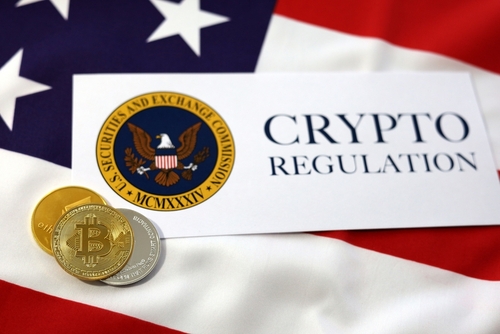
Digital Asset Market Clarity Act (HR 3633) – Known as the Clarity Act, the purpose of this Trump Administration-backed bill is to implement the first regulations for the crypto sector. The bill was introduced by Rep. French Hill (R-AR) on May 29, 2025. It passed in the House on July 17, 2025. However, opponents of the bill say the industry-led standards are far too lenient and do not provide enough safeguards. The bill recently failed in the Senate after a party-line cloture vote, which means the debate ended before the floor could vote on the bill (considered a filibuster). The cloture vote does not rule out the Senate trying again at a later date.
Ratepayer Protection Act (HR 9340) – In an effort to rein in AI data center utility costs, this bill would require state utilities to consider adopting standards to ensure cost recovery for the generation, transmission, and distribution services of large-load electricity customers. This high-stakes, bipartisan issue comes ahead of the midterm elections in an effort to assure voters that local data centers will not ramp up local residents’ utility bills. The legislation was introduced by Rep. Gabe Evans (R-CO) on June 18. It passed in the House on Sept. 16 and currently resides in the Senate.
Stopping Political Discrimination in Disaster Assistance Act (HR 1342) – Current law states that federal major disaster emergency relief and assistance must be provided without discrimination on the basis of race, color, religion, nationality, sex, age, disability, English proficiency or economic status. The bill, introduced by Rep. Scott Perry (R-PA) on Feb. 13, 2025, would add political affiliation protection under this requirement. The act passed in the House on Sept. 16 and awaits consideration in the Senate.
Pre-Election Focus on Russian/Iran Sanctions, AI Utility Bills, Crypto Regulation and Nondiscriminatory FEMA Assistance
October 1, 2026 · Blog, Congress at Work
⏱ 4 min read
Continuing Appropriations and Extensions Act, 2027 (HR 6500) – This appropriations bill was finalized and passed by both the House and the Senate on Sept. 1. The act funds the fiscal year 2027 government budget through Dec. 11 at current levels. It was signed by the President on Sept. 2.
Prison Staff Safety Enhancement Act (S 307) – This bill is designed to address sexual harassment and sexual assault of Bureau of Prisons correctional officers and other staff by incarcerated prisoners. Specifically, it details national standards for the prevention, reduction, and punishment of perpetrators. The legislation was introduced by Sen. Marsha Blackburn (R-TN) on Jan. 29, 2025. It passed in the Senate on April 29, 2025; in the House on Aug. 31; and was enacted by the president on Sept. 16.
Retire through Ownership Act (S 2403) – Introduced by Sen. Roger Marshall (R-KS) on July 23, 2025, this bill amends the Employee Retirement Income Security Act of 1974. ESOPs are Employee Stock Ownership Plans that enable employees to accrue shares of their employers’ stock as part of a pension plan, in which they receive the cash value of their shares upon retirement. This bill clearly defines how a good-faith valuation should be determined by independent professional appraisers, based on IRS Revenue Ruling 59-60 for valuing privately held stock. In the past, ambiguous valuation methods have resulted in litigation. This act passed in the Senate on October 9, 2025, and in the House on Sept. 16. It currently awaits the president’s signature.
Lindsey O. Graham Sanctioning Russia and Iran Act of 2026 (HR 5334) – This largely bipartisan act was championed by the late Sen. Lindsey Graham (R-SC). The legislation imposes a variety of sanctions, tariffs, and prohibitions related to Russia and Iran, and explicitly prohibits U.S. persons from making new investments in Russia. It also expands the tax deduction for early childhood education teachers for classroom expenses. The bill was introduced on Sept. 11, 2025, by Rep. Jimmy Panetta (D-CA). It passed in the House on April 27 and in the Senate on Aug. 7, with final changes agreed upon on Sept. 16. The president signed the bill into law a day later.
Digital Asset Market Clarity Act (HR 3633) – Known as the Clarity Act, the purpose of this Trump Administration-backed bill is to implement the first regulations for the crypto sector. The bill was introduced by Rep. French Hill (R-AR) on May 29, 2025. It passed in the House on July 17, 2025. However, opponents of the bill say the industry-led standards are far too lenient and do not provide enough safeguards. The bill recently failed in the Senate after a party-line cloture vote, which means the debate ended before the floor could vote on the bill (considered a filibuster). The cloture vote does not rule out the Senate trying again at a later date.
Ratepayer Protection Act (HR 9340) – In an effort to rein in AI data center utility costs, this bill would require state utilities to consider adopting standards to ensure cost recovery for the generation, transmission, and distribution services of large-load electricity customers. This high-stakes, bipartisan issue comes ahead of the midterm elections in an effort to assure voters that local data centers will not ramp up local residents’ utility bills. The legislation was introduced by Rep. Gabe Evans (R-CO) on June 18. It passed in the House on Sept. 16 and currently resides in the Senate.
Stopping Political Discrimination in Disaster Assistance Act (HR 1342) – Current law states that federal major disaster emergency relief and assistance must be provided without discrimination on the basis of race, color, religion, nationality, sex, age, disability, English proficiency or economic status. The bill, introduced by Rep. Scott Perry (R-PA) on Feb. 13, 2025, would add political affiliation protection under this requirement. The act passed in the House on Sept. 16 and awaits consideration in the Senate.
Disclaimer
These articles provide general information on tax, accounting, and financial topics for small businesses and individuals. They are educational in nature and are not specific legal, accounting, financial, tax, or other professional advice, and should not be relied upon as such. This content was prepared by Service2Client and may have been reviewed or edited by the website owner for accuracy and compliance. Look for a trust mark below for verification details. No representation is made that any approach described will achieve a particular result, and no regulatory or professional body has reviewed or endorsed this content. Because each situation is different, readers should consult a qualified professional about their specific circumstances before acting. Images accompanying these articles are protected by copyright and may not be copied or reused.
With the global bond market size bigger than many of the world’s biggest economies, it’s important for businesses that sell bonds to understand how to report transactions properly. According to the International Capital Market…
⏱ 3 min read
With the global bond market size bigger than many of the world’s biggest economies, it’s important for businesses that sell bonds to understand how to report transactions properly. According to the International Capital Market Association (ICMA), the global bond market’s capitalization is more than $128 trillion.
Defining Bonds
Offered by government or corporate entities, bonds are a static commitment issued to investors. Entities earn money from investors to invest in infrastructure or support operations. Investors receive a coupon payment periodically, and the bond is settled at a future date, which is referred to as the maturity date.
When bonds are tendered, they may be done at a discount, at face value, or at a premium. The valuation relies on the gap at issuance between a bond’s coupon rate and the bond’s yield based on prevailing prices. Upon bond issuance, the bond’s face value is recorded under bonds payable, as the issuing entity receives payment for the bond’s prevailing market value. If there’s a positive difference, it’s recorded at a premium. If there’s a negative difference, it’s recorded at a discount.
Bond Issuance and Accounting Considerations
When sold at par value, after the corporation or government entity receives payment from investors, the issuing entity records it as a liability because it’s liable for the investor’s investment. This would be set up as:
Debit
Credit
Cash
$100
Bonds Payable
$100
Bonds Payable Defined
Since the entity owes the investor, bonds payable is recorded on the liability section of a business’ balance sheet. Much of the time, bonds payable are reported as non-current liabilities.
When sold at a discount, a gap exists between a bond’s par value and the monetary investment the issuing entity obtains from the investor; the issuing entity must record the transaction as a discount on bonds payable account. The journal entry is as follows:
Debit
Credit
Cash
$100
Discount on Bonds Payable
$100
$100
Bonds Payable
$100
If bonds are purchased at a premium, which is when investors pay more for a bond with a higher interest rate, providing higher coupon payments, entities must record it as a premium on bonds payable (POBP) account. It often occurs when purchasers agree to lesser earnings due to the bond having a higher rate than prevailing rates. In the case of a bond’s issuance at a premium, it can be recorded as follows:
Debit
Credit
Cash
$100
POBP
$100
Bonds Payable
$100
If there’s a discount on bonds payable, the recurrent record must reflect the interest expense with a debit transaction and the bonds payable entry must see a credit. This accounting method impacts the bond issuer by growing the total interest expense, which the issuer records.
If, however, the issuer receives payment from investors beyond the face value, the interest expense must be credited, and the premium on bonds payable entry should receive a debit.
Conclusion
Whether it’s a business issuing bonds or an investor evaluating a company, understanding how to account for bonds is essential to evaluate a business’ financial health.
How to Account for Bonds
October 1, 2026 · Accounting News, Blog
⏱ 3 min read
With the global bond market size bigger than many of the world’s biggest economies, it’s important for businesses that sell bonds to understand how to report transactions properly. According to the International Capital Market Association (ICMA), the global bond market’s capitalization is more than $128 trillion.
Defining Bonds
Offered by government or corporate entities, bonds are a static commitment issued to investors. Entities earn money from investors to invest in infrastructure or support operations. Investors receive a coupon payment periodically, and the bond is settled at a future date, which is referred to as the maturity date.
When bonds are tendered, they may be done at a discount, at face value, or at a premium. The valuation relies on the gap at issuance between a bond’s coupon rate and the bond’s yield based on prevailing prices. Upon bond issuance, the bond’s face value is recorded under bonds payable, as the issuing entity receives payment for the bond’s prevailing market value. If there’s a positive difference, it’s recorded at a premium. If there’s a negative difference, it’s recorded at a discount.
Bond Issuance and Accounting Considerations
When sold at par value, after the corporation or government entity receives payment from investors, the issuing entity records it as a liability because it’s liable for the investor’s investment. This would be set up as:
Debit
Credit
Cash
$100
Bonds Payable
$100
Bonds Payable Defined
Since the entity owes the investor, bonds payable is recorded on the liability section of a business’ balance sheet. Much of the time, bonds payable are reported as non-current liabilities.
When sold at a discount, a gap exists between a bond’s par value and the monetary investment the issuing entity obtains from the investor; the issuing entity must record the transaction as a discount on bonds payable account. The journal entry is as follows:
Debit
Credit
Cash
$100
Discount on Bonds Payable
$100
$100
Bonds Payable
$100
If bonds are purchased at a premium, which is when investors pay more for a bond with a higher interest rate, providing higher coupon payments, entities must record it as a premium on bonds payable (POBP) account. It often occurs when purchasers agree to lesser earnings due to the bond having a higher rate than prevailing rates. In the case of a bond’s issuance at a premium, it can be recorded as follows:
Debit
Credit
Cash
$100
POBP
$100
Bonds Payable
$100
If there’s a discount on bonds payable, the recurrent record must reflect the interest expense with a debit transaction and the bonds payable entry must see a credit. This accounting method impacts the bond issuer by growing the total interest expense, which the issuer records.
If, however, the issuer receives payment from investors beyond the face value, the interest expense must be credited, and the premium on bonds payable entry should receive a debit.
Conclusion
Whether it’s a business issuing bonds or an investor evaluating a company, understanding how to account for bonds is essential to evaluate a business’ financial health.
Disclaimer
These articles provide general information on tax, accounting, and financial topics for small businesses and individuals. They are educational in nature and are not specific legal, accounting, financial, tax, or other professional advice, and should not be relied upon as such. This content was prepared by Service2Client and may have been reviewed or edited by the website owner for accuracy and compliance. Look for a trust mark below for verification details. No representation is made that any approach described will achieve a particular result, and no regulatory or professional body has reviewed or endorsed this content. Because each situation is different, readers should consult a qualified professional about their specific circumstances before acting. Images accompanying these articles are protected by copyright and may not be copied or reused.
Manage Consent
To provide the best experiences, we use technologies like cookies to store and/or access device information. Consenting to these technologies will allow us to process data such as browsing behavior or unique IDs on this site. Not consenting or withdrawing consent, may adversely affect certain features and functions.
Functional
Always active
The technical storage or access is strictly necessary for the legitimate purpose of enabling the use of a specific service explicitly requested by the subscriber or user, or for the sole purpose of carrying out the transmission of a communication over an electronic communications network.
Preferences
The technical storage or access is necessary for the legitimate purpose of storing preferences that are not requested by the subscriber or user.
Statistics
The technical storage or access that is used exclusively for statistical purposes.The technical storage or access that is used exclusively for anonymous statistical purposes. Without a subpoena, voluntary compliance on the part of your Internet Service Provider, or additional records from a third party, information stored or retrieved for this purpose alone cannot usually be used to identify you.
Marketing
The technical storage or access is required to create user profiles to send advertising, or to track the user on a website or across several websites for similar marketing purposes.

 Anyone who has moved retirement money out of an old employer’s plan knows how frustrating it can be. Every administrator has their own forms. Timelines are all over the place. Paper checks show up weeks later with vague instructions. The whole thing should have been fixed a long time ago.



 According to Fitch Ratings, over the past 12 months ending August 2026, there were 109 defaults by 89 entities, compared to the same period ending July 2026, when 83 entities saw 105 defaults. With businesses (especially life insurers) exposed to asset management risks, it’s important to understand how to find financial balance.
 Temps are dropping, the leaves are turning, and you know what that means: Fall is here, which is the best time to prepare your house for the chill that follows. But we all know that keeping warm takes energy and, yes, is costly. Here are a few easy ways to conserve.
 For years, corporate fraud was limited by the costs, expertise, and resources required to carry out a convincing deception. Artificial intelligence (AI) has changed this.
 Continuing Appropriations and Extensions Act, 2027 (HR 6500) – This appropriations bill was finalized and passed by both the House and the Senate on Sept. 1. The act funds the fiscal year 2027 government budget through Dec. 11 at current levels. It was signed by the President on Sept. 2.
 With the global bond market size bigger than many of the world’s biggest economies, it’s important for businesses that sell bonds to understand how to report transactions properly. According to the International Capital Market Association (ICMA), the global bond market’s capitalization is more than $128 trillion.